Service area · Austin, TX
AC repair, heating and installation in Austin, TX.
Home base. Ninety years of housing stock, an urban heat island, and cedar season every winter.
On the ground
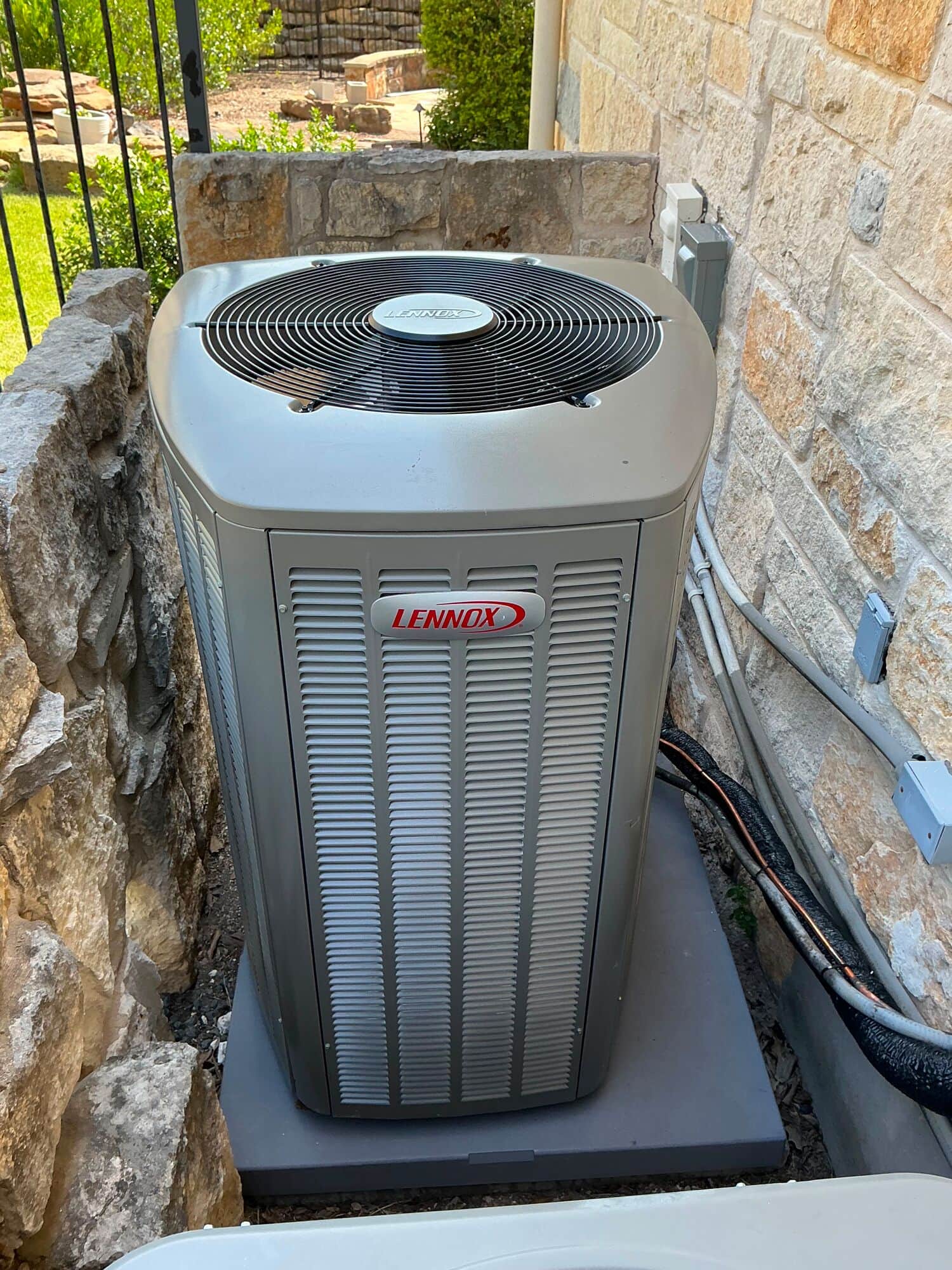
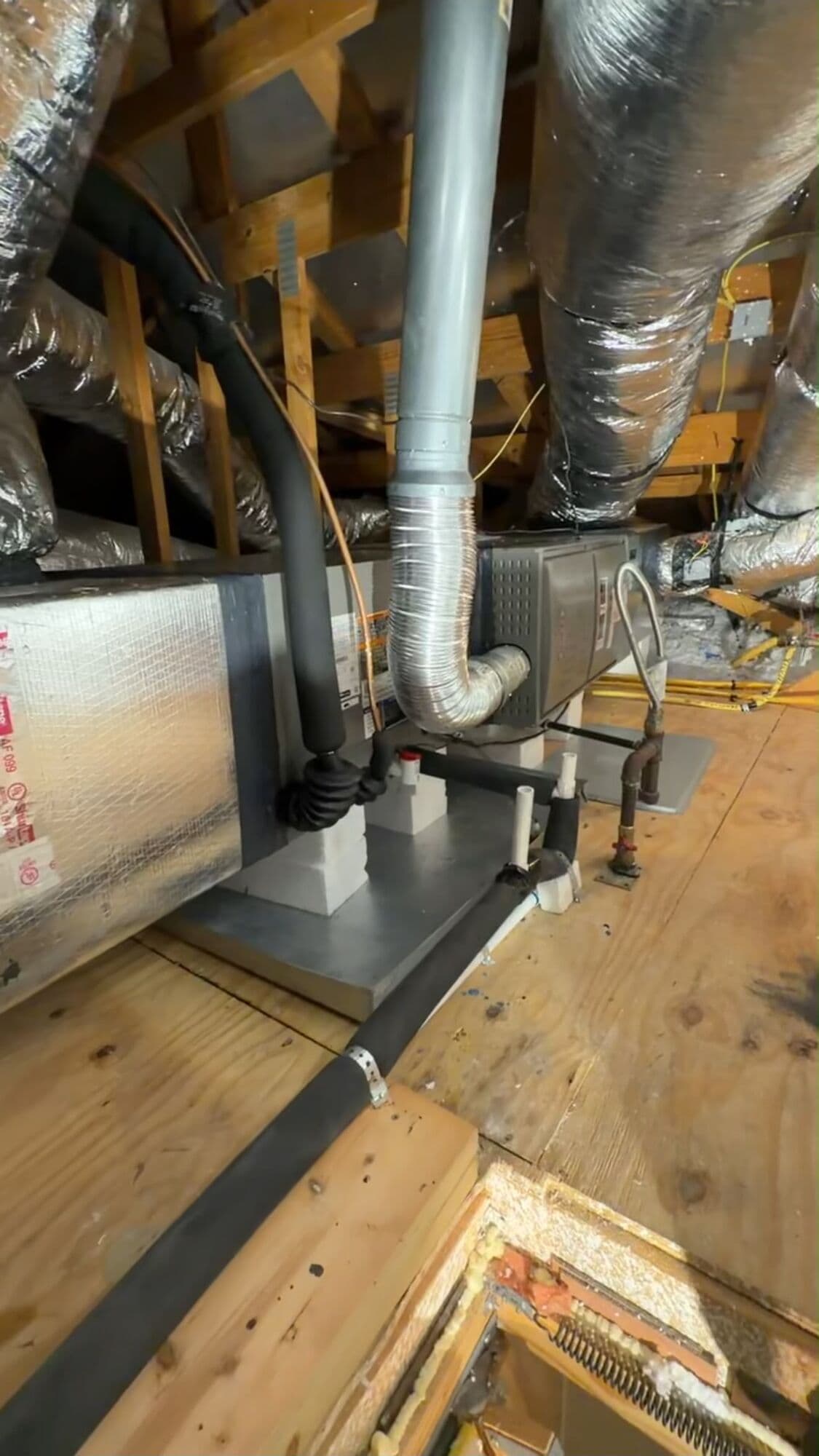
Austin is home, and it is the hardest city in Central Texas to generalise about because the housing spans nearly a century. Hyde Park, Travis Heights, Clarksville and the older east side are 1920s–1940s bungalows and cottages, most of them retrofitted with central air decades after they were built — which usually means ductwork squeezed into small attics and crawlspaces, undersized returns, and equipment shoehorned into a closet that was originally a pantry.
Northwest Hills, Allandale, Windsor Park and Crestview are 1950s–70s ranch homes on generous lots with mature live oaks and pecans. Better shade, but often original duct runs, cast-iron-era drains and additions tied into systems that were never resized. Then Circle C, Mueller, Southwest Austin and the downtown towers are 1990s onward — tighter envelopes, better equipment, and a completely different set of problems centred on humidity and ventilation rather than raw capacity.
Two things apply citywide. The first is the urban heat island: the core holds heat overnight, so systems in central Austin start each day further behind than the same system in a suburb. The second is the calendar — mountain cedar from December through February, oak in the spring, and a cooling season that realistically runs from April into October.
Local HVAC realities
What actually fails on systems here.
- Pre-war bungalows carry retrofitted duct systems with undersized returns and tight equipment closets
- The urban heat island keeps central-city attics and condensers hotter overnight than the suburbs
- Mountain cedar in winter and oak in spring load filters and returns heavily
- Newer tight-envelope homes trade capacity problems for humidity and ventilation problems
What we do most here
The work this city actually calls about.
AC Repair in Austin
Central Austin systems run more hours at higher ambient temperatures than anywhere else in the metro, and marginal parts fail first here.
AC RepairDuctwork & Airflow in Austin
Retrofitted ductwork in 1920s–40s bungalows is the single most common reason an Austin house has one room that never cools.
Ductwork & AirflowIndoor Air Quality in Austin
Cedar season is genuinely severe here, and most of the benefit comes from sealing the return rather than buying a denser filter.
Indoor Air QualityDuctless Mini-Splits in Austin
Garage conversions, ADUs and attic offices are everywhere in central Austin, and the ductwork was never sized for any of them.
Ductless Mini-Splits
Neighborhoods we work
Across Austin.
- Hyde Park
- Travis Heights
- Clarksville
- Crestview & Brentwood
- Allandale
- Northwest Hills
- Windsor Park
- Mueller
- East Austin
- Barton Hills & Zilker
- Circle C Ranch
- South Lamar
Not an exhaustive list — if your neighborhood is not named, we almost certainly still cover it. Call and ask.
Questions from this city
Austin — straight answers.
My 1940s bungalow has one room that has never cooled. Is that fixable?
Usually, and usually without new equipment. On houses of that age the ductwork was added long after the house was built, so runs are undersized, returns are inadequate and a room at the end of a long run is starved. Measuring static pressure and airflow tells you what it needs, and it is often a duct fix rather than a system fix.
Why does my house feel worse in Austin than it did in a hotter, drier city?
Humidity. This is not the desert Southwest — the cooling load here includes a lot of moisture removal, and an oversized system that satisfies the thermostat quickly never runs long enough to do it. A house at 72 with high indoor humidity feels considerably worse than a drier house at 76.
How quickly can you get to my part of Austin?
Call and ask — it depends on the day and on whether you have cooling at all. No cooling during a heat advisory gets prioritised over planned work, and we cover the whole city from central to the Circle C and Northwest Hills edges.
Nearby service areas
Service call · $100
HVAC service in Austin, from a family business in Austin.
Call or text (512) 840-8112. A technician comes out for a flat $100, evaluates the system and identifies the issue. If the repair or replacement you approve comes to $500 or more, the $100 is credited toward it. Otherwise — including if you decide against the work — the $100 stands as the fee for the visit. Any repair or replacement is quoted from what we actually find.
ATX Clima LLC · Austin, TX