Indoor air quality
Indoor air quality and filtration in Austin, TX.
In Central Texas the air quality conversation is specific: mountain cedar in winter, oak in spring, dust year-round, and humidity that makes a cold house feel clammy.
Who this is for
Households with allergies or asthma, anyone whose house is dusty no matter how often it is cleaned, homes that feel clammy at setpoint, and buildings with rooms that always smell stale.
The detail
What this work actually involves.
Air quality in Central Texas has a calendar. Mountain cedar releases from roughly December through February and produces the reaction people here call cedar fever, which is severe enough that it drives clinic visits across the region. Oak follows in spring and coats everything in yellow. Between and around them there is dust — from caliche roads, from construction, from a landscape that is dry for long stretches. All of it ends up wherever the house is pulling air from.
That is the part most people miss: filtration only cleans the air the system actually pulls through the filter. If the return plenum, the return chase or the filter grille leaks — and in a lot of houses here they do — the system is drawing unfiltered attic and wall-cavity air straight past the filter and distributing it. Sealing the return side is often a bigger air quality improvement than upgrading the filter, and it costs less.
Then there is filter selection, which involves a genuine trade-off. A denser filter catches more and restricts more, and a system already fighting high static pressure will lose airflow, run a colder coil and perform worse. The right answer is a filter matched to the system's capability, in a big enough filter area to keep the pressure drop reasonable — sometimes that means a media cabinet rather than a thicker one-inch filter. Humidity is the other half: this is not a dry climate, and a system that short-cycles never runs long enough to dehumidify, which is why some houses read 72 degrees and still feel damp.
What's included
Indoor Air Quality, line by line.
- Filter selection matched to the system's actual static pressure capability
- Filter area increased where a restrictive filter is starving airflow
- Media cabinets and properly sized filter grilles
- Return plenum, chase and grille sealed so unfiltered air stops bypassing the filter
- Duct leakage on the return side identified and repaired
- Humidity assessed against runtime — the cold-and-clammy problem
- Evaporator coil and blower wheel inspected for accumulated build-up
- Condensate pan and drain treated to control biological growth
- Ventilation and exhaust reviewed in tight, newer construction
The work
Indoor Air Quality in detail.
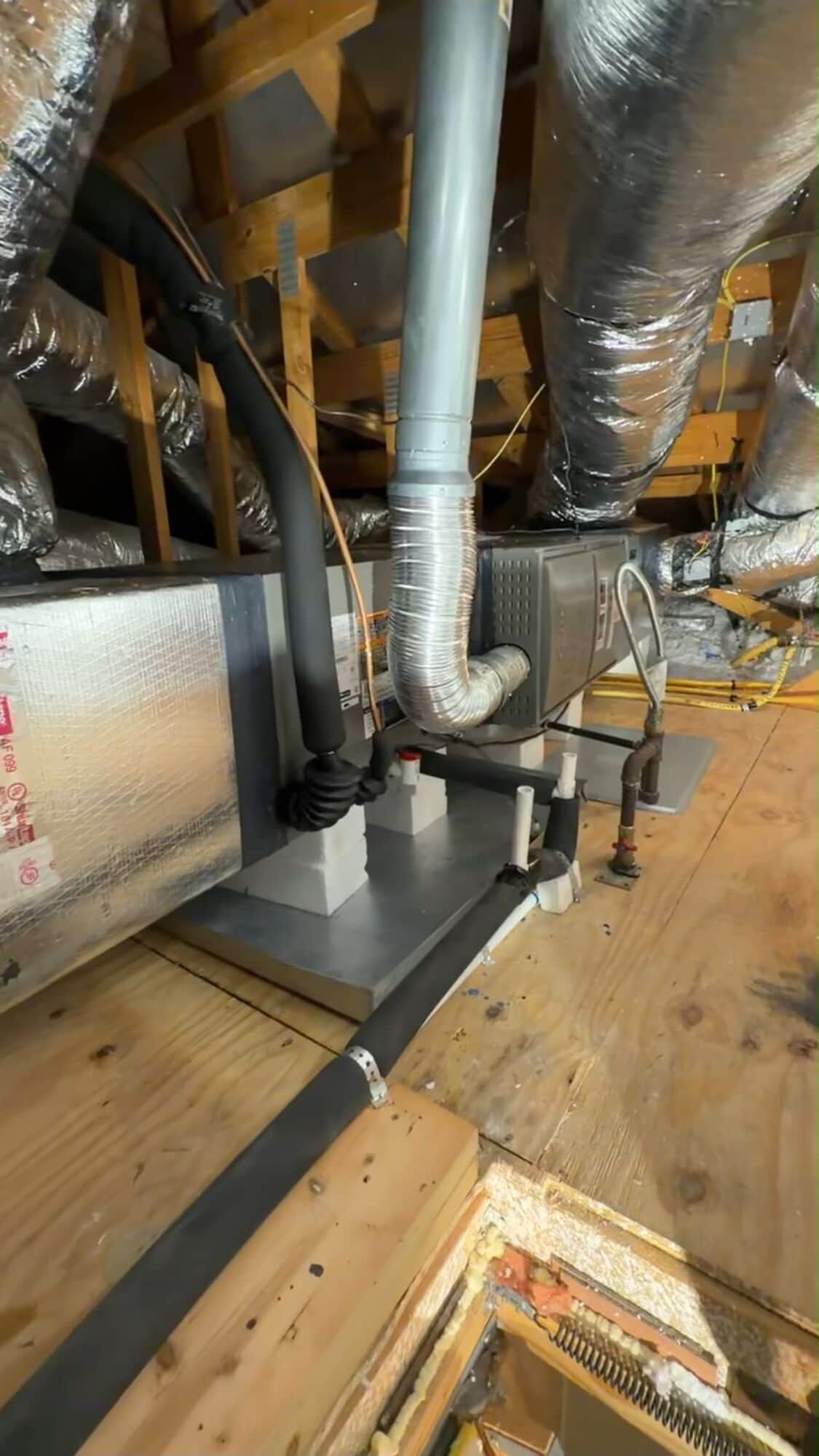
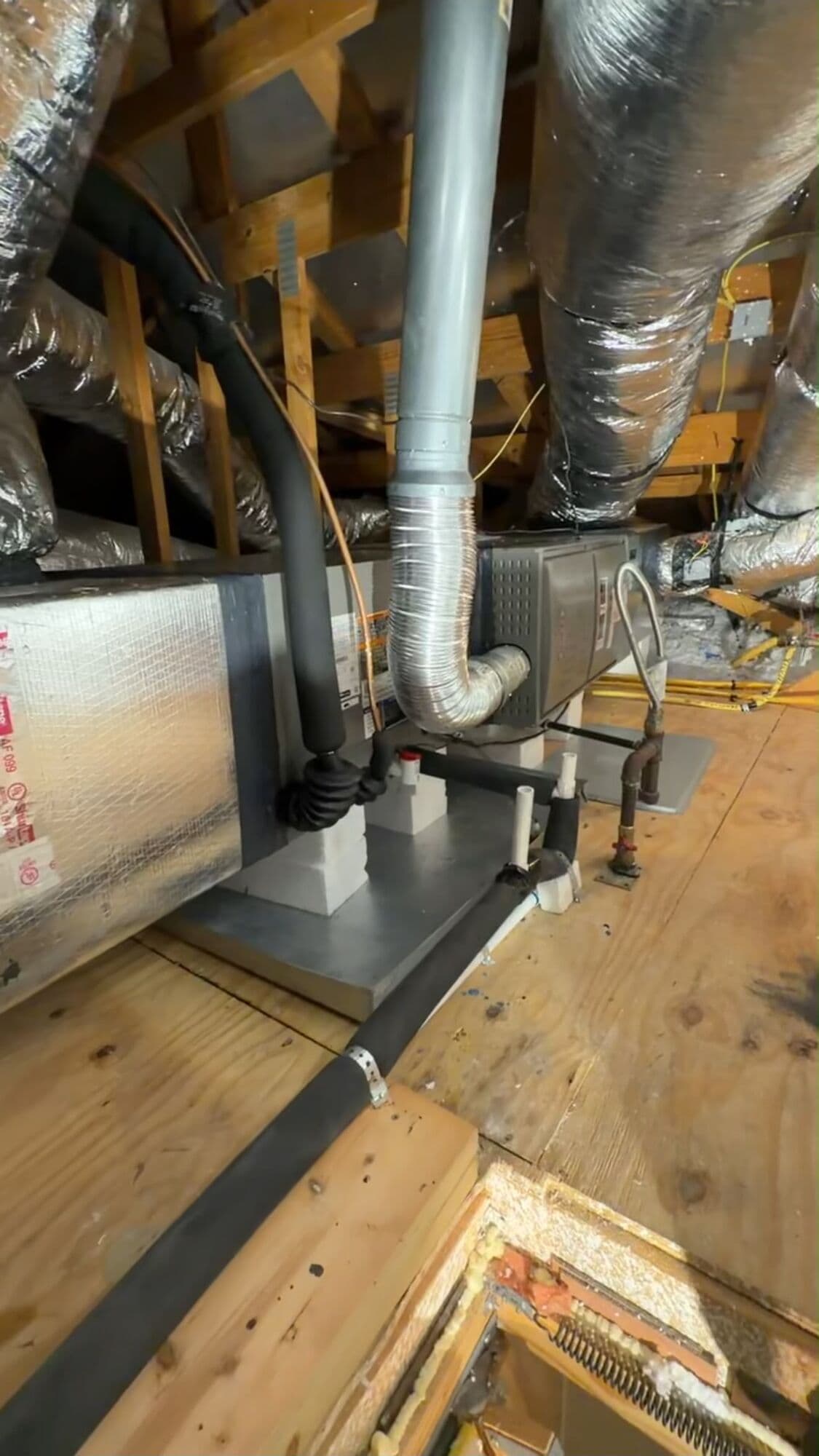
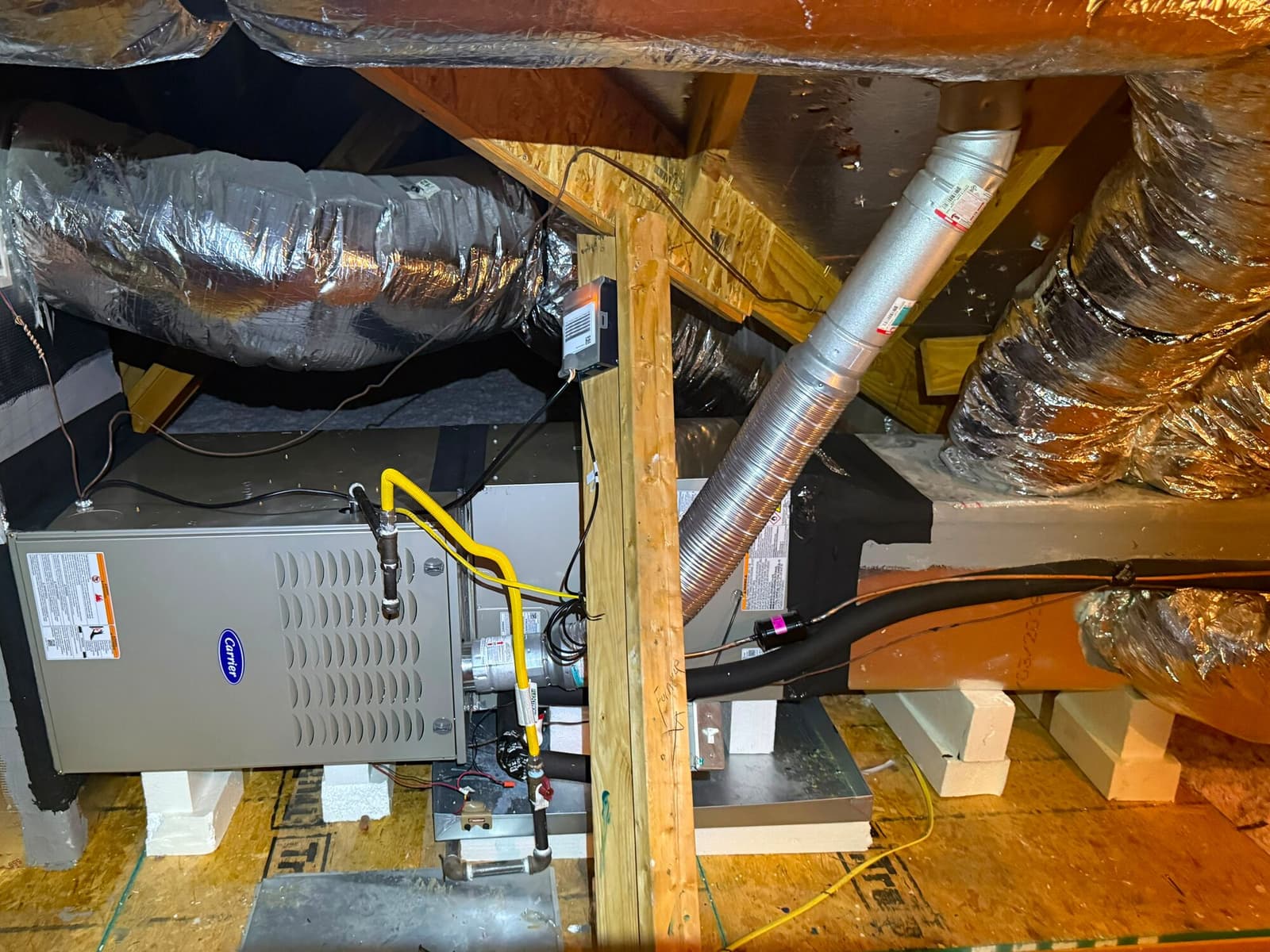
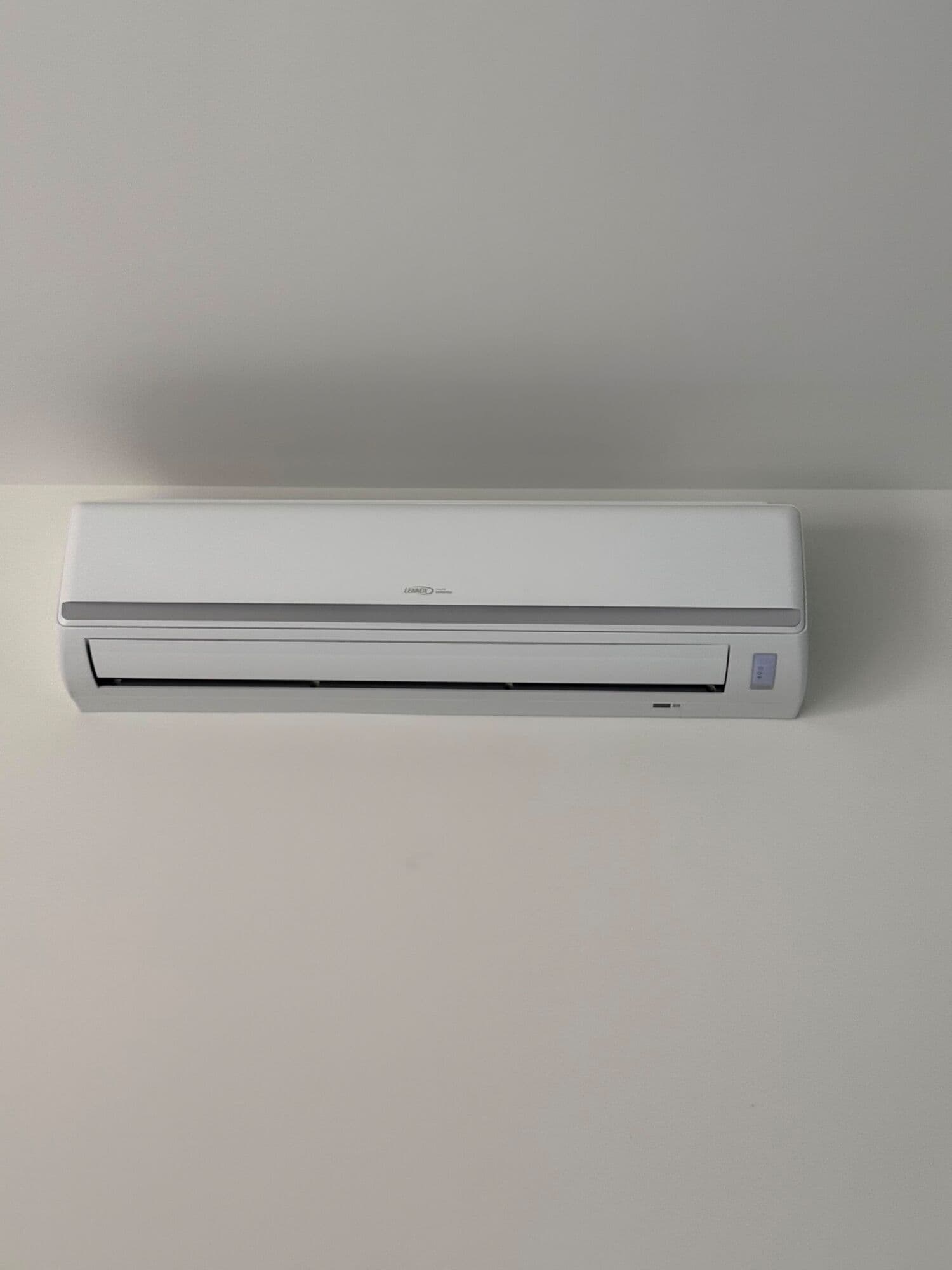
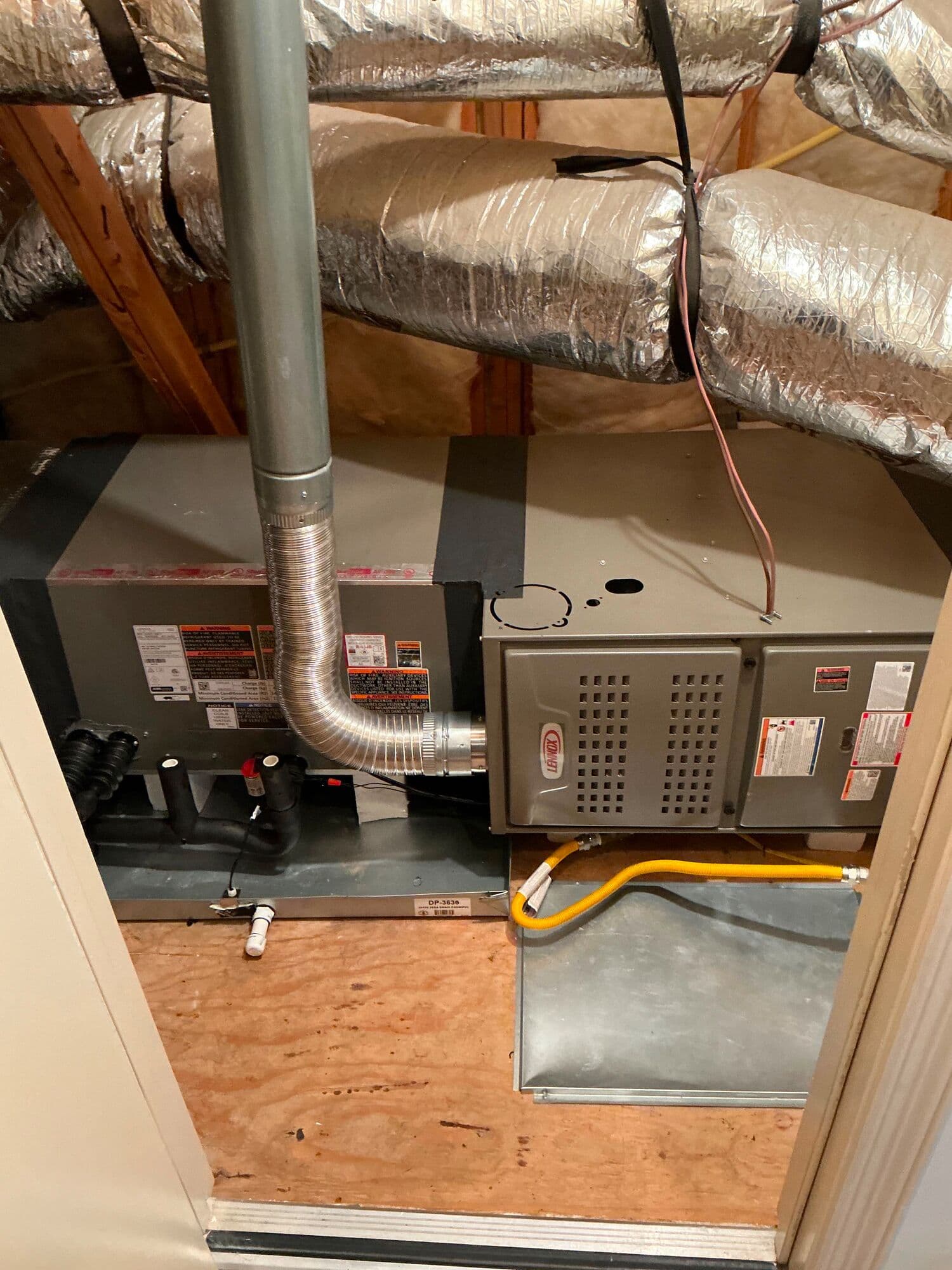
Photographs from our own Central Texas jobs — a closer look at the equipment, the install detail, and the parts that decide whether a system lasts.
Questions about this work
Indoor Air Quality — straight answers.
Will a better filter help with cedar fever?
It helps with what is in the air the system circulates, which is a real part of the exposure — but only if the air is actually going through the filter and the filter is not choking the system. A sealed return with a properly sized filter beats a dense filter jammed into a leaky grille every time.
How often should I change my filter in Austin?
More often than the packaging says, especially December through May. The pollen and dust load here is heavy, and a filter that looks grey is already costing you airflow. Check it monthly during cedar and oak season rather than trusting a 90-day sticker.
My house is 72 and still feels sticky. What is that?
That is humidity, and it usually means the system is not running long enough at a time to remove moisture — commonly because it is oversized for the house. Longer, lower-output run cycles dehumidify; short bursts do not. It is a sizing and staging conversation more than an add-on product conversation.
Do air purifiers and UV lights actually do anything?
Some do something, in specific circumstances, and none of them fix a leaking return or a filter that is starving the blower. We would rather fix the mechanical basics first and then talk about whether an add-on is worth your money, than sell you a device that sits on top of an unsolved problem.
Related services
Ductwork & Airflow
The room that never cools is almost never an equipment problem.
DetailsPreventive Maintenance
$300 per system, per visit. A comprehensive service to keep it efficient and reliable.
Details
AC Installation & Replacement
New systems and changeouts, sized and installed to actually perform.
Details
Service call · $100
Get a technician out to look at it properly.
Call or text (512) 840-8112. The service call is a flat $100 — a technician comes out, evaluates the system and identifies the issue. If the repair or replacement you approve comes to $500 or more, the $100 is credited toward it. Otherwise — including if you decide against the work — the $100 stands as the fee for the visit. Repairs, replacements and installations are quoted from what we actually find.
ATX Clima LLC · Austin, TX